
Build sustainable movement routines that naturally support healthy glucose levels. Simple consistent actions deliver meaningful lasting results.
Get StartedWhen you walk, your muscles require energy immediately. They pull glucose directly from your bloodstream to fuel their activity. This natural process reduces blood sugar without involving complex chemical reactions or requiring medication adjustments in most cases.
The effect is measurable and repeatable. Each time you walk, especially after eating, you're giving your body a simple tool to manage glucose more effectively. This works whether you walk for five minutes or fifty, though longer duration provides greater benefits.
Start with 10-minute walks after one or two meals daily. Focus on building the habit rather than distance or speed. Notice how you feel before and after each walk.
Extend walks to 15 minutes and add a third daily session. Begin tracking your glucose readings to observe patterns emerging from consistent movement.
Work toward 20-30 minute sessions after each main meal. Your body has adapted to regular activity, making movement feel more natural and less effortful.
Maintain consistent habits while gradually increasing intensity when comfortable. Most people see significant glucose improvements and improved overall energy by this point.
Your muscles become active consumers of blood glucose during movement. This direct pathway bypasses complicated metabolic processes, providing immediate and predictable blood sugar reduction with each activity session.
Regular walking makes your cells more receptive to insulin signals over time. Enhanced sensitivity means your body accomplishes the same glucose management with less insulin, reducing metabolic stress significantly.
Consistent movement burns calories steadily and helps reduce body fat without extreme measures. Even modest weight reduction creates substantial improvements in how your body handles glucose daily.
Walking provides excellent cardiovascular conditioning without excessive strain. Stronger heart function and better circulation protect against complications while supporting overall diabetes management goals effectively.
Walking 15-30 minutes after eating targets the period when your glucose peaks naturally. This strategic timing maximizes the glucose-lowering effect of your activity session when you need it most.

Success comes from realistic expectations and gradual progression. Choose one meal to start - breakfast, lunch, or dinner. Walk for just five to ten minutes afterward. When this becomes automatic, add another meal and another walking session.
Location flexibility keeps you consistent. Walk outdoors when weather permits, but have indoor backup options ready. Shopping malls, community centers, or even walking in place at home all provide valid alternatives when conditions aren't ideal.
Involve your healthcare provider in your planning process. They can help you understand how increased activity might affect your current medications and monitor your progress appropriately as your activity level increases steadily.
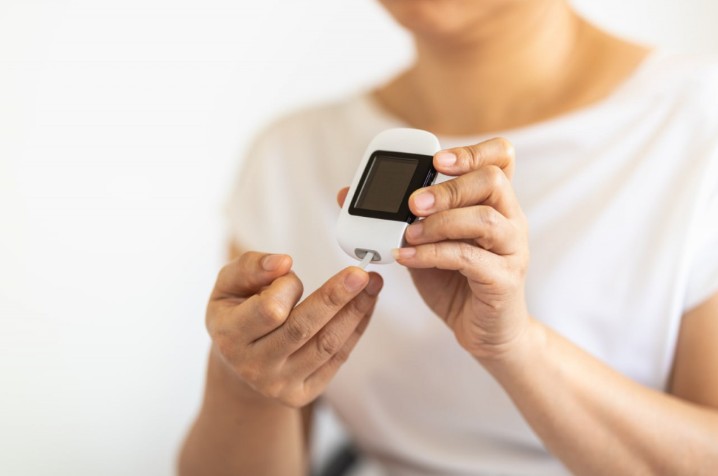
Test glucose before starting new activity routines and after sessions initially. Understanding your personal response patterns helps prevent unexpected low blood sugar events during or after movement.
Learn to identify symptoms of low blood sugar: shakiness, confusion, excessive sweating, or sudden weakness. Stop activity immediately if these occur and consume fast-acting carbohydrates as directed by your doctor.
Check feet thoroughly before and after walking for any injuries, blisters, or irritation. Diabetes can reduce sensation, making it possible to injure feet without immediately noticing the problem.
My morning glucose readings dropped 40 points after I committed to walking after every meal for six weeks. The consistency made all the difference - it's now just part of my daily routine like brushing my teeth.
— Sanjay R., Mumbai
I started with five-minute walks because anything longer felt overwhelming. Four months later, I'm walking 35 minutes daily and feel stronger than I did ten years ago. Small steps really do add up.
— Pooja V., Delhi
Finding a walking partner transformed this from a chore into something I genuinely enjoy. We talk, laugh, and support each other while managing our health together. My glucose control has never been better.
— Arjun S., Bangalore
I was skeptical that walking could really make a difference, but my doctor encouraged me to try. Three months in, my glucose average dropped from 185 to 142, and I've reduced one medication completely.
— Nisha K., Chennai
The post-meal timing made sense once I understood the science. Now I automatically get up and walk after eating. My glucose spikes are much smaller, and I feel more in control of my condition.
— Manoj D., Kolkata
Indoor mall walking during monsoon season kept me consistent when I couldn't go outside. Having backup options meant I didn't skip days, which made all the difference in maintaining my progress.
— Priya G., Pune
Address:
56, Marine Drive, Mumbai 400020, Maharashtra, India
Phone:
+91 22 6184 3527
Email:
hello (at) volelip.shop
Most individuals see some improvement in blood sugar readings within the first 5-7 days of consistent post-meal walking. More significant and stable changes typically appear after 3-4 weeks of regular activity. The key is maintaining consistency rather than intensity.
Many effective alternatives exist including chair-based exercises, water walking in pools, or upper body movements. The goal is muscle activity that consumes glucose - not necessarily traditional walking. Discuss suitable options with your healthcare provider based on your specific situation.
Walking anytime provides benefits, but post-meal timing offers maximum glucose control advantages. Your blood sugar naturally rises after eating, and movement during this 15-30 minute window helps moderate that spike most effectively. Pre-meal walking is beneficial but serves different purposes.
Improved glucose control from regular activity may enable medication reductions under medical supervision. However, never adjust or stop medications independently. Your doctor must monitor your progress and make these decisions based on your complete health picture and glucose trends.
Walk at a moderate pace where you can still hold a conversation but feel your breathing increase slightly. This typically means walking purposefully without rushing. The exact speed matters less than maintaining consistency and duration. Start comfortable and gradually increase pace as fitness improves.